

Why it works
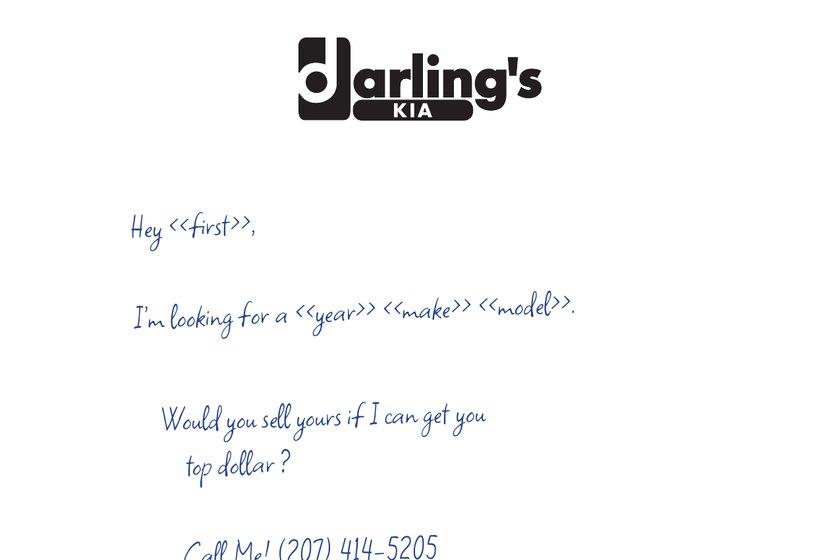
Every owner wonders what their vehicle is worth. A buyback piece answers with a specific, personal offer from a named person at the store, which lands harder than a generic "top dollar for trades" line:
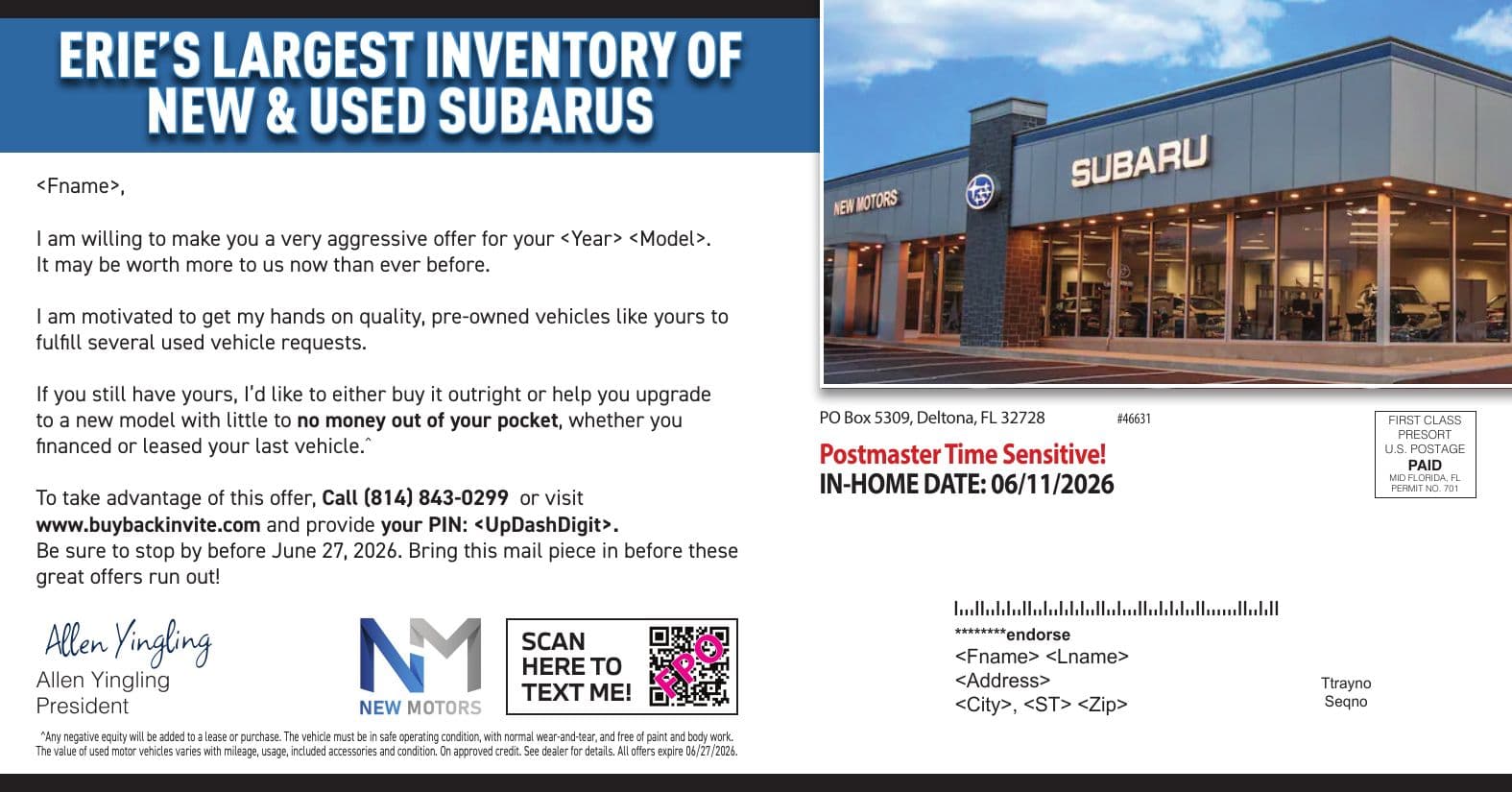
- It names their vehicle, pulled from your DMS, so the offer is obviously meant for them.
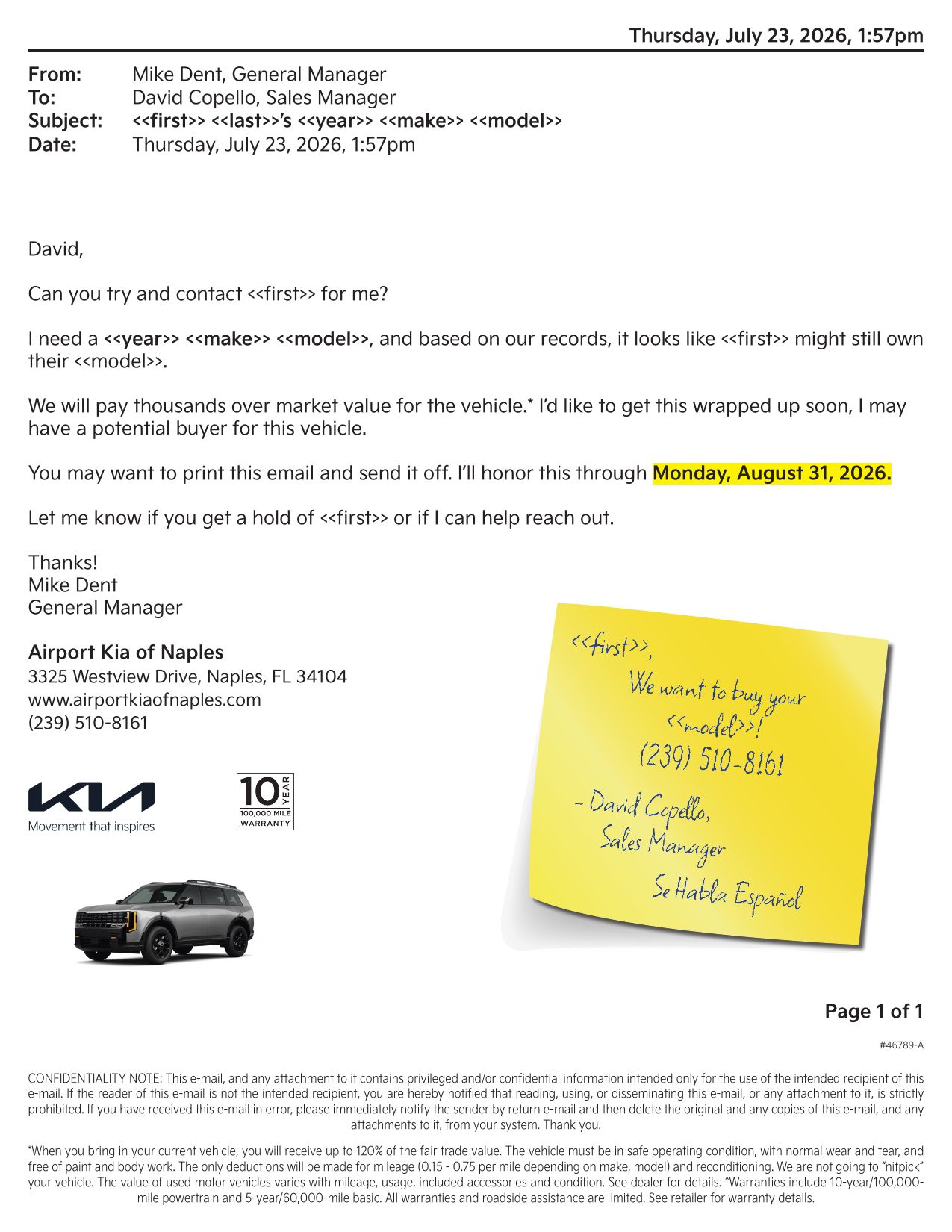
- It comes from a person, not a brand — a sales manager's printed email with a pen-signed Post-it, or a handwritten note.
- It sets a deadline the store will honor, which is what turns curiosity into an appointment.
- It feeds the used lot and the showroom at once — the trade comes in and the customer drives out in something newer.
Who gets it
Owners whose vehicles the store wants and who are likely in an equity position — past buyers and service customers from your own records, matched to what's moving on the used lot (database & equity mail). Recent buyers are suppressed. Half of the 2026 runs added text follow-up to customers who had opted in.
One concept, every season
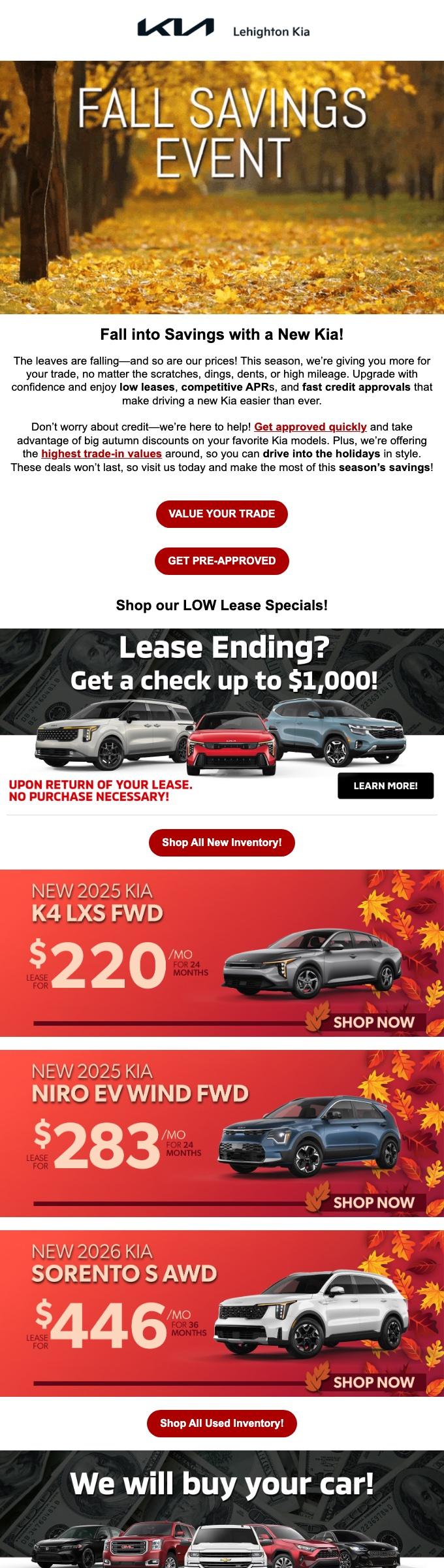
Because the offer doesn't depend on the calendar, buyback is the campaign most often dressed up for a holiday. In the last year Xcel ran it as a W-2 / tax-season buyback, a Memorial Day buyback letter, a Black Friday Buy Back Event and a holiday greeting card with a buyback offer inside. The creative changes; the mechanics — a named vehicle, a premium offer, a real deadline — stay the same. See the marketing calendar for where it fits.
How the channels work together
Mail carries the offer because it's addressed to a household and names the vehicle. The day it lands, email and a Facebook trade-in bonus ad put the same offer in front of in-market shoppers around the store, and a few days later texts go to customers who have opted in. Every call, text and scan is tracked in UpDash. Afterwards the full mailed list is matched against the DMS — one VIN, one date, every deal counted once — which is where the results above come from.
4 weeks out
Campaign booked: the offer, the deadline and the vehicles the used lot wants are set, and the creative is approved.
2 weeks outLetter
List pulled from the DMS — owners in likely equity, recent buyers suppressed.
10 days outPostcard
Each piece personalized with the owner and their vehicle, and sent to print.
In-homeLetter
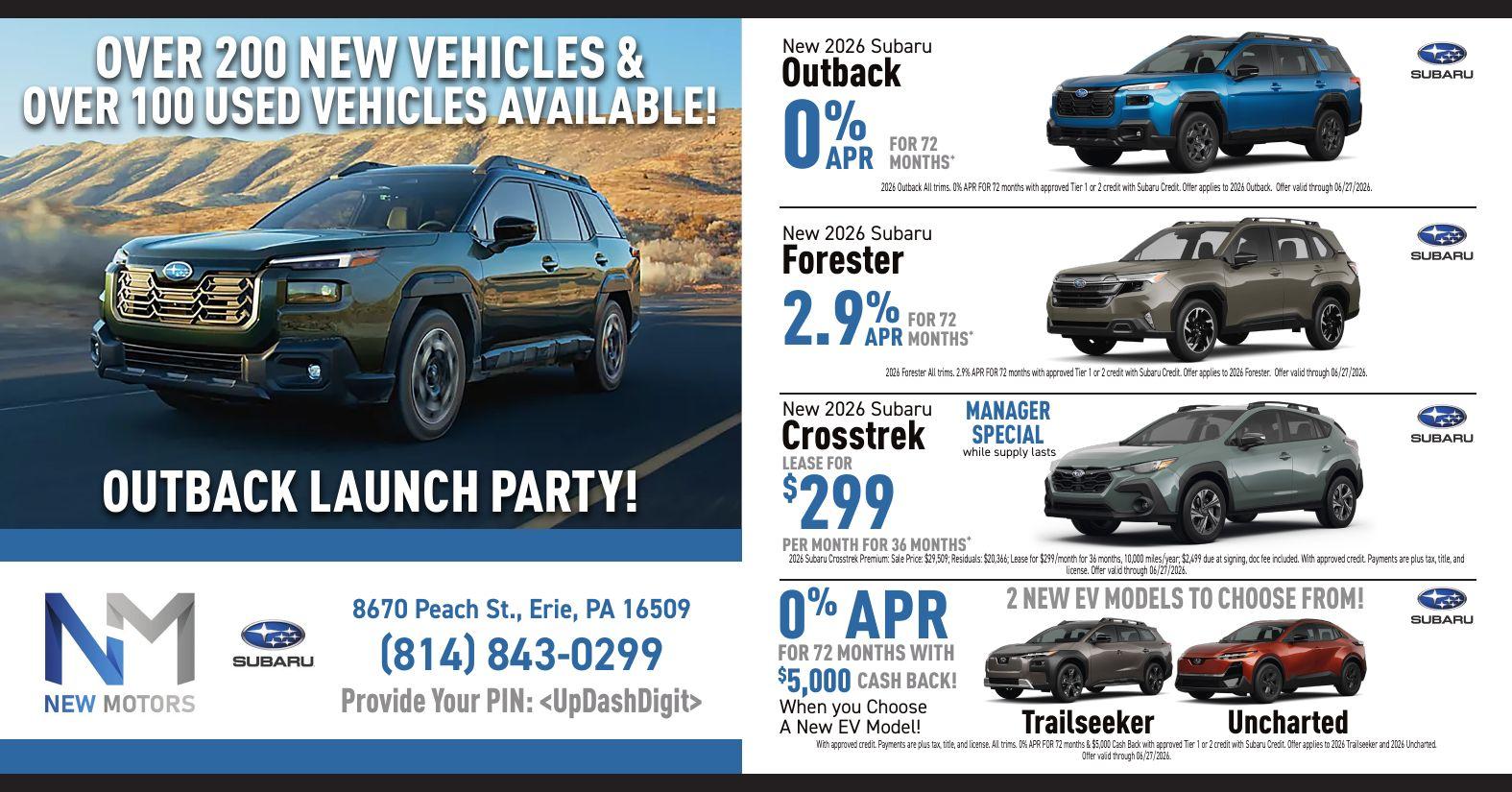
The buyback postcard, the sales manager's printed email or the handwritten note lands.
Same dayEmail
Email to the store's list with a one-tap trade valuation; the Facebook trade-in bonus ad starts and runs through the deadline.
3 – 5 days afterSMS
Text follow-up to opted-in customers; replies worked by the store's team.
30 / 60 / 90 days
UpDash matches the mailed list to DMS sales and service.
Frequently asked questions
What is a dealership buyback campaign?
A campaign that offers to buy a customer's current vehicle — named on the piece from the dealership's records — at a premium, usually with help getting into a newer one. It's mailed to the store's own customers and often followed up by text.
Does a buyback campaign actually sell cars, or just buy them?
Both. The offer is to buy the vehicle, but most customers who sell still need a replacement. The 2026 numbers above are DMS-matched sold units and repair orders from the mailed households.
What makes a buyback mailer work?
Specifics: the customer's own vehicle, a named person at the store, a deadline the store will honor, and a format that reads as personal — a printed email with a pen-signed note, or a handwritten card — rather than an ad.
Can a buyback campaign run during a holiday?
Yes — it's the most common holiday wrapper. Xcel has run it as a tax-season buyback, a Memorial Day buyback letter, a Black Friday Buy Back Event and a holiday greeting card. The mechanics stay the same; the creative and deadline change.
By Xcel Media Group · · Plain-text version