
Facebook campaigns
A conversation in the feed — reported past the click.
Most dealership Facebook buys end at a form fill and a screenshot. Ours start a Messenger conversation with the same households your mail reached, answer it in under a minute, send a voucher with the customer's own PIN on it, book the appointment, and grade all of it against your DMS. What follows is the whole product, on demo data.
Demo Motors Chevrolet
Sponsored ·
We'll buy your truck — even if you don't buy ours. 60-second appraisal.
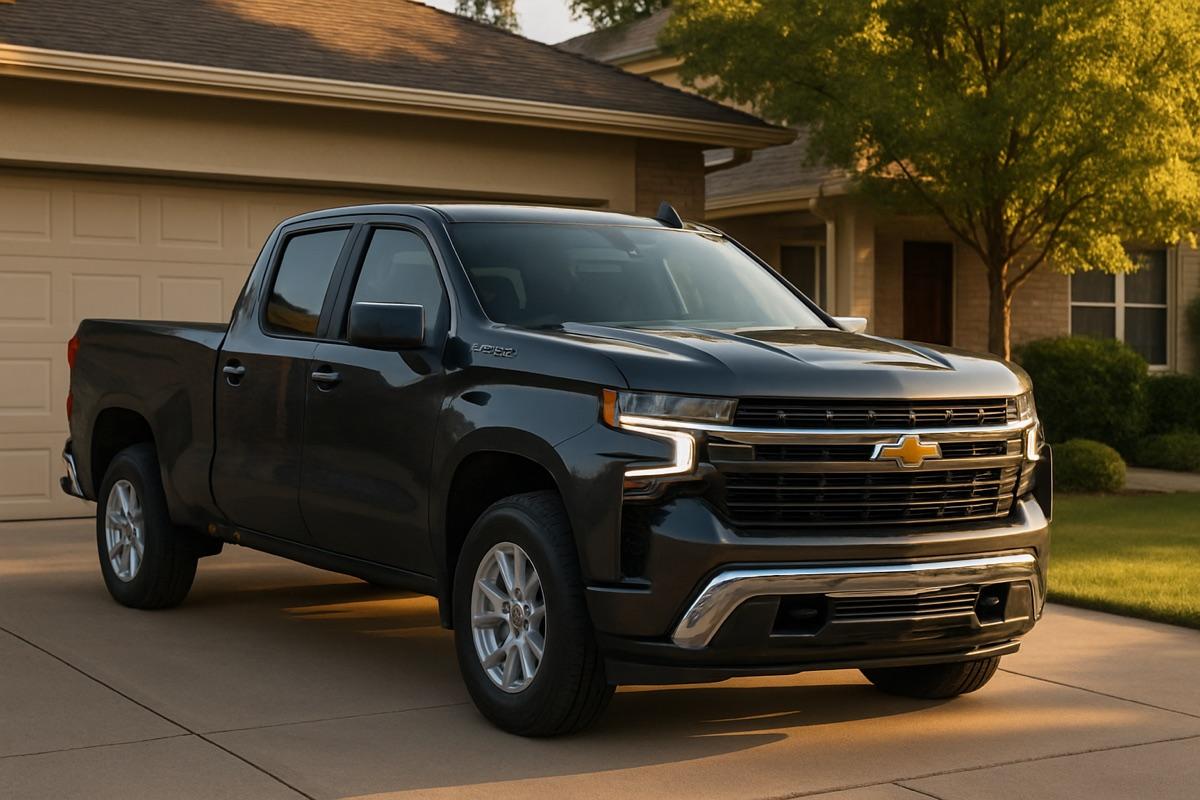
Trade-Up Event
Up to $2,500 over book
demomotorschevy.com
Get Your Trade Offer
Leads → appointments in UpDash · illustrative
Chapter one
The ad your market actually sees.
Custom creative, built offer-first for the feed, with a Send Message button instead of a link to your homepage. This is real Xcel creative, as a phone renders it.
We need pre-owned vehicles — and we'll pay a VIP trade-in bonus to get them. Bring this voucher in before the event ends and ask for the sales manager.

VIP Trade-In Bonus: get more for your vehicle
A real Xcel buyback ad; the store name and the post copy around it are sample. Every campaign's creative library is public — mail, email, social and SMS, piece by piece.
Chapter two
Built in UpDash. Pushed to Meta.
The ad isn't assembled in Ads Manager and screenshotted for you later. Your campaign has a Meta Ad card: the image, the copy, the Messenger greeting and starters, the budget, the flight, the radius and the audience all live in the same record as your mail — and one push creates every object in Meta.
Meta Ad
DraftThe ad
Lead mode
Messenger
Primary text
Clean trades are bringing up to $2,500 over book through Saturday. Tap Send Message and we'll get you a number — no visit required.
Headline
We want your truck
Button
Send Message
Conversation starters
What's my truck worth?Is the voucher still good?What do you need from me?
Audience & flight
Lifetime budget
$2,500.00
Flight
Nov 3 – Nov 22
Radius
18 mi from the store
Ages
25 – 65+
Added ZIPs
78130, 78132, 78666
Special category
None
Customer lists
- Reach the households this campaign mailed
- Leave out recent buyers
- Leave out current leads
- 1DraftNothing in Meta yet
- 2Built in MetaCreated and paused
- 3LiveLaunched by the team
Image
—
Audience
—
Campaign
—
Ad set
—
Creative
—
Ad
—
Change the copy and UpDash builds a new creative and swaps it into the live ad. Change the budget, dates or audience and it edits the ad set in place. Edit the ad in Ads Manager instead and UpDash notices on the next read — and stops overwriting what a person did by hand.
Chapter three
The audience is the list your mail went to.
This is the part no social vendor can copy, because they don't have your mail list. UpDash uploads the campaign's own mailing list to Meta as a Custom Audience, leaves out your recent buyers and anyone already working with a salesperson, and re-syncs it while the campaign runs.
Customer lists
- Matched on Meta
- 3,914
- of 4,780 mailed
- No profile match
- 434
- mail only
- Recent buyers
- 208
- left out
- Current leads
- 224
- left out
The list is already built — it's the one the mail went to. UpDash uploads it as a Meta Custom Audience, suppresses your recent buyers and anyone already working with a salesperson, and re-syncs it as the campaign runs. The same household gets the postcard and the feed, in the same week, on the same offer.
Chapter four
Someone answers. In under a minute. At 9pm.
Tapping the ad opens Messenger, and a Messenger AI agent takes it from there — in your store's voice, with your offer and your disclaimer and nothing else. It qualifies, asks for the contact details the campaign requires, sends the voucher, offers two times and books one, then keeps following up on a schedule you set.
Messenger
Today 7:42 PM
Sample copy · fictional store and customer.
Messenger AI — this campaign
- Agent
- Reese
- Tone
- Friendly
- Before the voucher
- Ask for both, need one
- Visits
- Book, move and cancel
- Follow-ups
- Hour 1, hour 4, then daily
- Quiet hours
- 8pm – 9am
- Ad comments
- Answered
- Text follow-ups
- After a quiet day
- Answered in 40 seconds
- Captured a mobile number
- Sent the voucher — name, PIN, expiration
- Pushed the lead to the CRM as ADF
- Booked Saturday 10:00
It works the thread for seven days after the customer's last message, pauses the moment a person at the store replies, and hands off with an @-mention when someone asks for a call, turns up at the store, wants a price before visiting, or starts a credit application. Nothing it says about the offer comes from anywhere but your ad and your disclaimer — and it stops quoting an offer once the last date in that disclaimer has passed.
Chapter five
What it did — impressions to cost per conversation.
Synced straight from the Meta Ads API, not screenshotted from Ads Manager: 412,000 impressions across 132,900 people, 6,180 clicks, 418 Messenger conversations at $17.94 apiece — and the day-by-day rhythm of the flight. You choose which tiles your own report shows.
Facebook Ads Performance
Silverado Offer · Campaign #4829 · 3 ads
0
Impressions
3.1× frequency
0
Reach
unique people
0
Clicks
1.5% CTR
0
Conversations
6.8% of clicks
$0.00
Cost / Convo
$7,500 total spend
Impressions by day — the whole flight
Synced from the Meta Ads API · Last Update: 2 hours ago
Chapter six
The same dashboard as every other channel.
Facebook doesn't get its own grading curve. Impressions to clicks to conversations to appointments to sold — in the identical campaign dashboard your mail and SMS run through. Flip the tabs and compare.
Silverado Offer · Campaign #4829
Demo Motors ChevroletLiveFacebook
Flight May 1–31 · $7,500 spend
412,000
Impressions
3.1× frequency
6,180
Clicks
1.5% CTR
395
Leads
on-platform forms
185
Appointments
set by our team
24
Sold
matched in the DMS
Response activity · first 14 days
Hover the days · switch channels above · try “Split sources”
Chapter seven
From the feed to a worked lead.
Some campaigns run Meta's instant form instead of Messenger — a few questions answered inside the app. Either way, the lead lands in the same workspace as your calls and texts, gets a human follow-up, and answers to the DMS like everything else we run.
One lead — feed to the DMS
Live walk-throughDemo Motors Chevrolet
Sponsored ·
Your Silverado could be worth more than you think. Clean trades are bringing up to $2,500 over book this month — 60-second appraisal, and you keep driving it while we run your numbers.
Trade-Up Event
Up to $2,500 over book
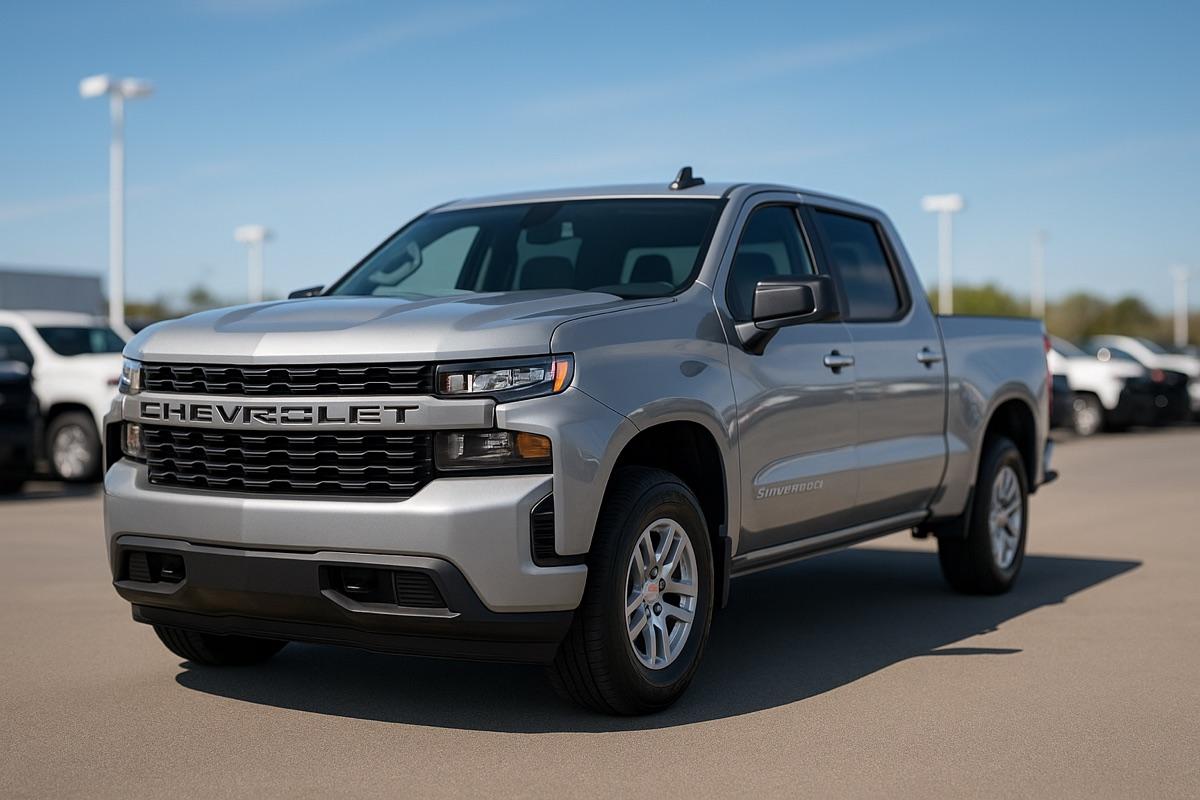
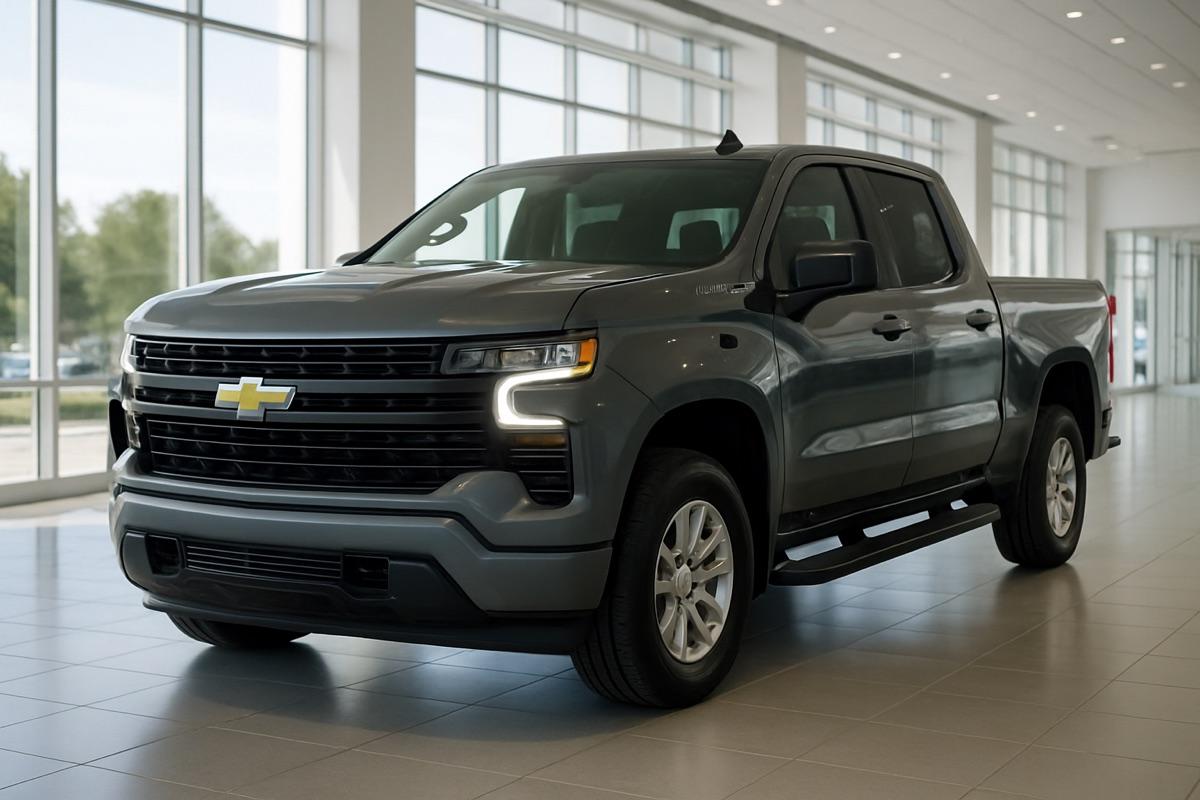
demomotorschevy.com
Get $2,500 Over Book for Your Trade
60-second appraisal · No purchase necessary
Instant form · Trade-Up Event
Demo Motors Chevrolet · lead ad
Get your over-book number — no dealership visit. We just need where to text it.
Name and mobile pre-filled from Facebook — no landing page, no lost clicks.
Boosted-post vendors stop at the form fill. Everything past it — the text-back, Carly, the DMS match — is the job.
Our own numbers
Everything above is demo data. These aren't.
The lifetime totals UpDash holds for every Xcel Meta campaign it measures, and what a single campaign typically does. Read the medians, not the totals — the totals are the business, the medians are what to plan against.
- Impressions
- 34,417,112
- across 169 campaigns
- People reached
- 8,705,758
- 636,613 clicks
- Messenger conversations
- 45,614
- plus 9,586 form leads
- Meta spend managed
- $712,015
- lifetime, all stores
What one campaign typically does — median, with the middle half beside it
- Spend
- $2,497
- $1,182–$3,750
- Impressions
- 96,860
- 30,271 reached
- Cost per click
- $1.36
- $1.05–$1.71
- Click-through rate
- 1.77%
- 1.49–2.25%
- Cost per conversation
- $15.84
- $11.34–$21.24
Medians across the 166 campaigns that produced Messenger conversations, not pooled averages — one campaign in the set carries 2.5M impressions, and averaging it in makes every rate look better than yours will. Your numbers depend on the offer, the market and the budget, so UpDash reports yours rather than ours.
Why this matters
Most Facebook reports end at the click. Ours end at the DMS.
Clicks are cheap and screenshots are free. Run the feed against the same households the mail reached, in the same week, on the same offer — and Facebook multiplies the mailbox, with both channels graded against the same sold log. That's a number a GM can take to a budget meeting.
Frequently asked questions
Do Facebook ads actually work for car dealerships?
Yes, when the ad opens a conversation with a real buying audience and the results are tracked to sold units instead of clicks. Across the Meta campaigns Xcel measures in UpDash, the median campaign spends about $2,500, earns roughly 97,000 impressions and 30,000 people reached, and runs a 1.77% click-through rate at a $1.36 cost per click — with a median cost of about $15.84 per Messenger conversation started. Those are medians across campaigns rather than a pooled average, because one large campaign can flatter every rate. Your own numbers depend on the offer, the market and the budget, so UpDash reports yours.
Can you target the same households my direct mail went to?
Yes, and it's the main reason to run both. UpDash uploads the campaign's own mailing list to Meta as a Custom Audience, so the ad reaches the same households the postcard or letter reached, in the same week, on the same offer. It also suppresses the people you don't want to pay to reach again — recent buyers, and anyone already working with a salesperson. No social-only vendor can do this, because the mail list is the thing they don't have.
Who answers the Facebook messages — my BDC, or you?
By default a Messenger AI agent does, inside UpDash, and your team can take over any thread at any time. It answers in your store's voice, quotes only what's in your ad and your disclaimer, asks for the phone number or email the campaign requires, sends the customer a voucher with their name, PIN and expiration on it, offers two appointment times and books one. It keeps following up on a cadence you choose, inside quiet hours you set, and hands the conversation to a named person at the store when someone asks for a call, turns up at the store, wants a price before visiting, or starts a credit application. The moment a human at the store replies, the agent stops.
How do you track a Facebook lead all the way to a sold car?
Every Facebook lead gets a tracked PIN in UpDash, the same way a mail recipient does, and lands in the same leads workspace as your calls and texts. Xcel then runs a DMS matchback that compares the people who engaged against your dealership's actual sales and service records, so a Facebook conversation is connected to a sold unit or a repair order by name and household — not by a platform's self-reported conversion pixel. Leads are also pushed to your CRM as ADF once a phone number or email is captured, so your existing process still sees them.
Do I have to hand over my Facebook page or ad account?
No. Your page stays yours and your Meta ad account stays yours; Xcel is granted partner access to run the campaign and read its insights. If your store doesn't have its own ad account, the campaign can run in the agency group's account or Xcel's, and that's a setup choice rather than a transfer of anything you own. Ads built in UpDash still appear in Ads Manager, and anything your team edits there is detected on the next read so UpDash stops overwriting it.
What's the difference between running Facebook ads and just boosting a post?
Boosting a post shows it to more people, but you can't aim it at a specific household list, control the objective, or track what it produced, so it mostly buys reach. A real campaign sets the budget, flight, radius, age range and audience deliberately, runs two or three creative versions in the same ad set so Meta can favour the one that works, and reports impressions through to appointments and sold units. Xcel builds and pushes the campaign from UpDash and reports what drove sold units, so spend goes toward buyers rather than impressions.
Put your next event in the feed — measured.
Thirty minutes, your market, real screens — we'll walk a live campaign from launch to DMS-matched sale.
Or text 305.877.3881 — we sell texting for a living.